The upgrade that changes how you use your garage
For most Mesa families, the garage is the busiest room in the house. It is the main entrance, the workshop, the gym, the storage unit and the place the cars cool down after a 110-degree commute. Yet it is usually the only room with a bare concrete floor — a surface that stains, sheds dust, holds onto oil and makes the whole space feel unfinished.
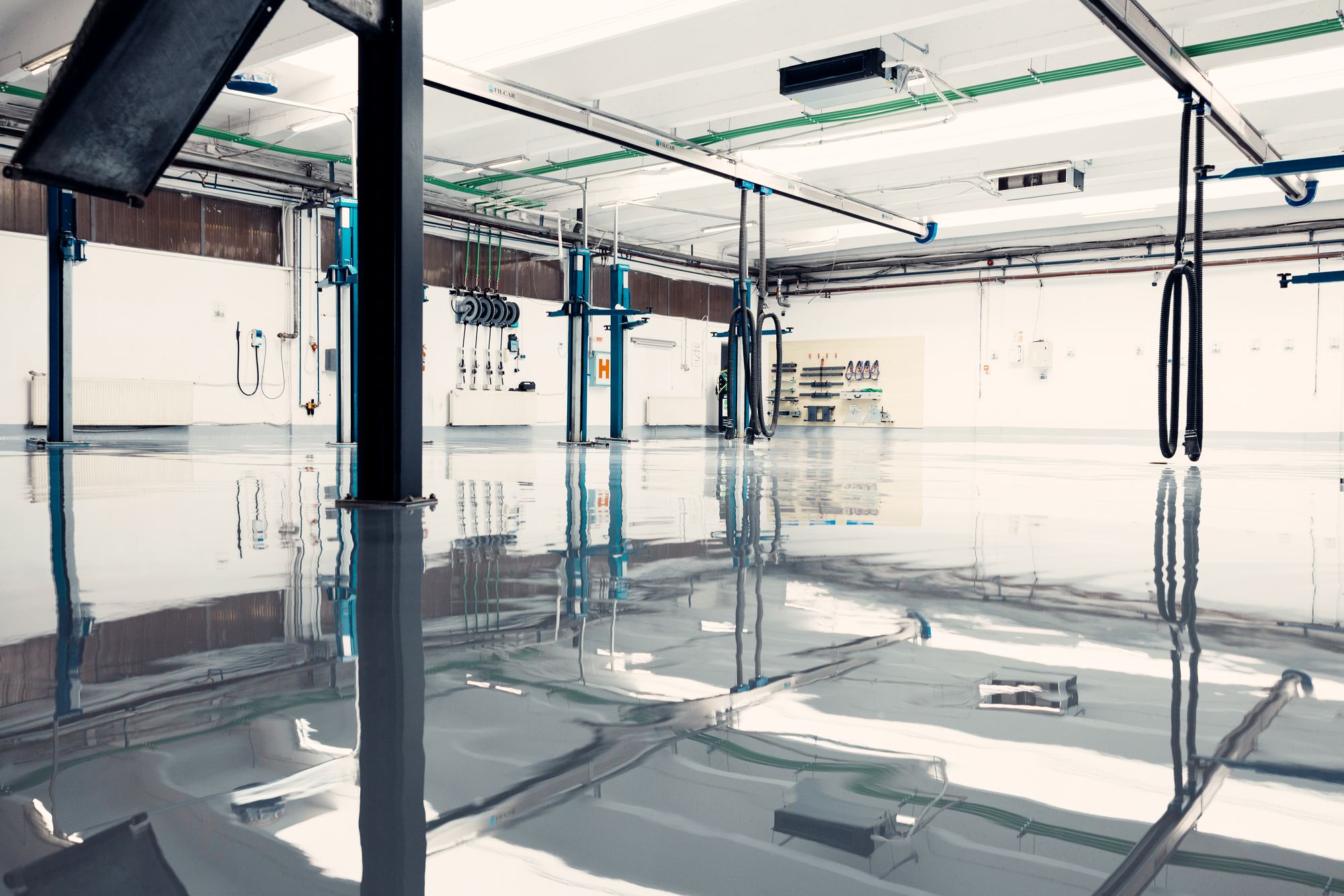
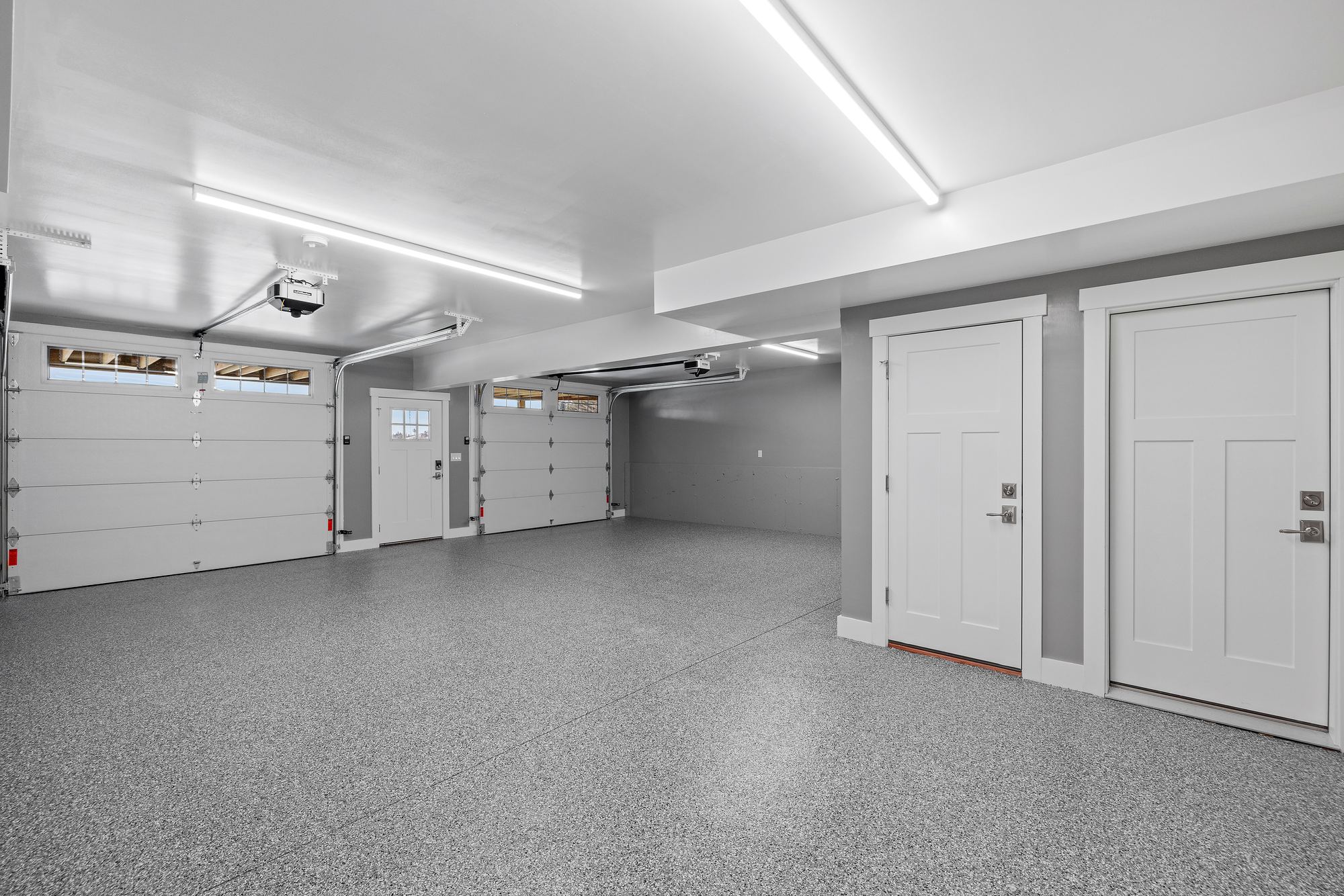
A professional garage floor coating fixes all of that in a single project. Mesa Epoxy Flooring Pros installs multi-layer systems that bond permanently to your slab, hide imperfections, wipe clean in seconds and stand up to the specific abuse an Arizona garage takes. The result looks like a showroom, but it is engineered to be worked on, parked on and lived on.
What goes into a professional garage coating
The term "epoxy garage floor" covers everything from a $100 hardware-store kit to a fully engineered system. What separates the two is not the brochure photo — it is the layers you cannot see once the floor is finished. Our standard garage system is built like this:
1. Diamond grinding and dust control
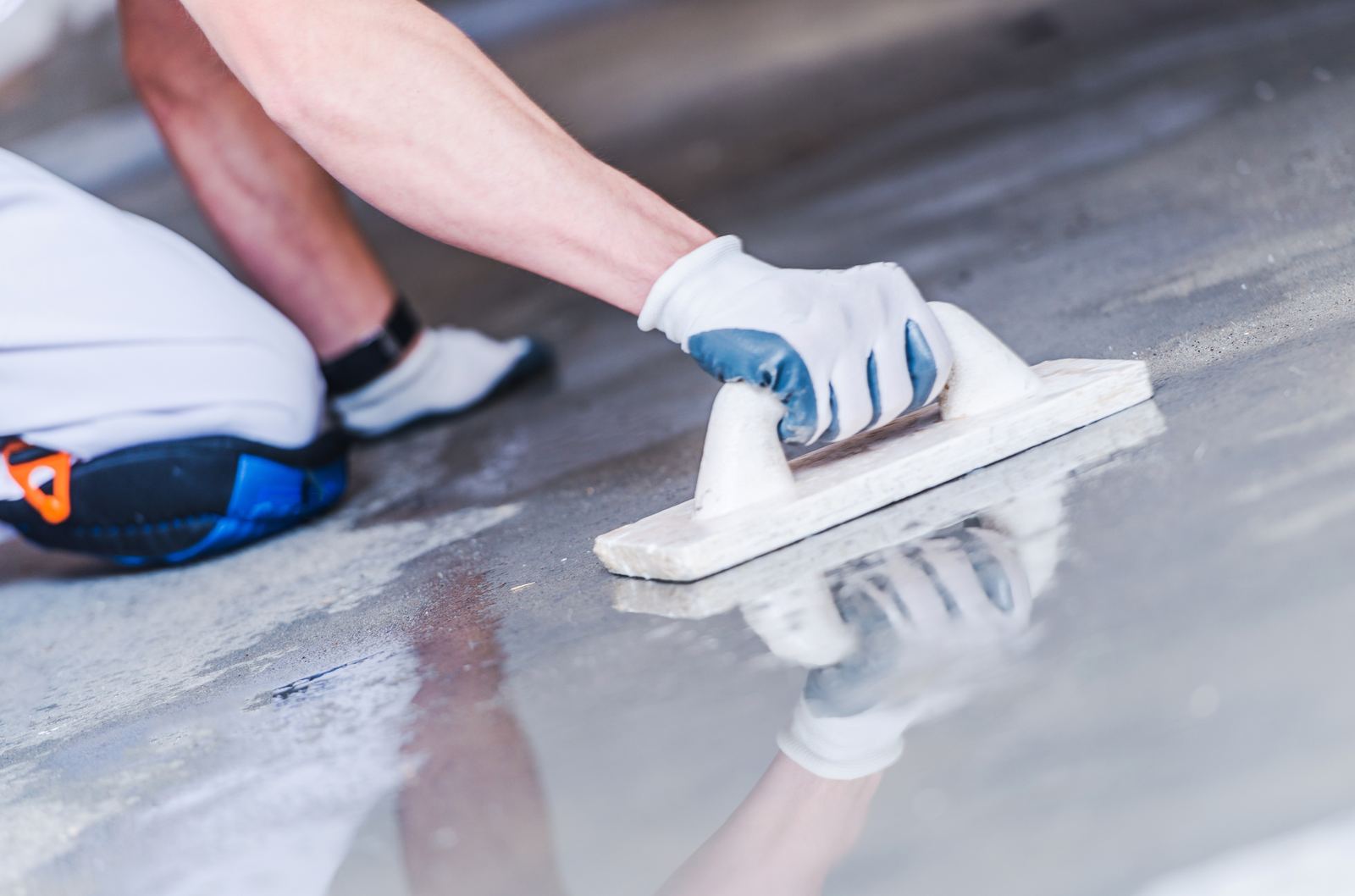
We start by grinding the entire slab with industrial diamond grinders connected to HEPA dust extractors. Grinding removes the weak top layer of concrete (called laitance), cuts through old sealers, paint and contaminants, and leaves a textured profile similar to medium sandpaper. That profile is what the coating physically locks into. Acid etching, which many low-cost installers still use, cannot create the same consistent surface and often leaves residue that weakens adhesion.
2. Crack, spall and joint repair
Almost every Mesa garage has some cracking, especially homes built on expansive desert soils. We chase and fill cracks, rebuild chipped edges and pitted areas, and address control joints with repair materials designed to flex slightly with the slab. Repairs are ground flush so the finished floor reads as one continuous surface.
3. Penetrating basecoat
The basecoat is the foundation of the system. Depending on your slab, we use a high-solids epoxy or a flexible polyurea that soaks into the ground concrete and forms the bond. On older slabs with elevated moisture, we can specify a moisture-tolerant primer before the base.
4. Full-broadcast decorative flake
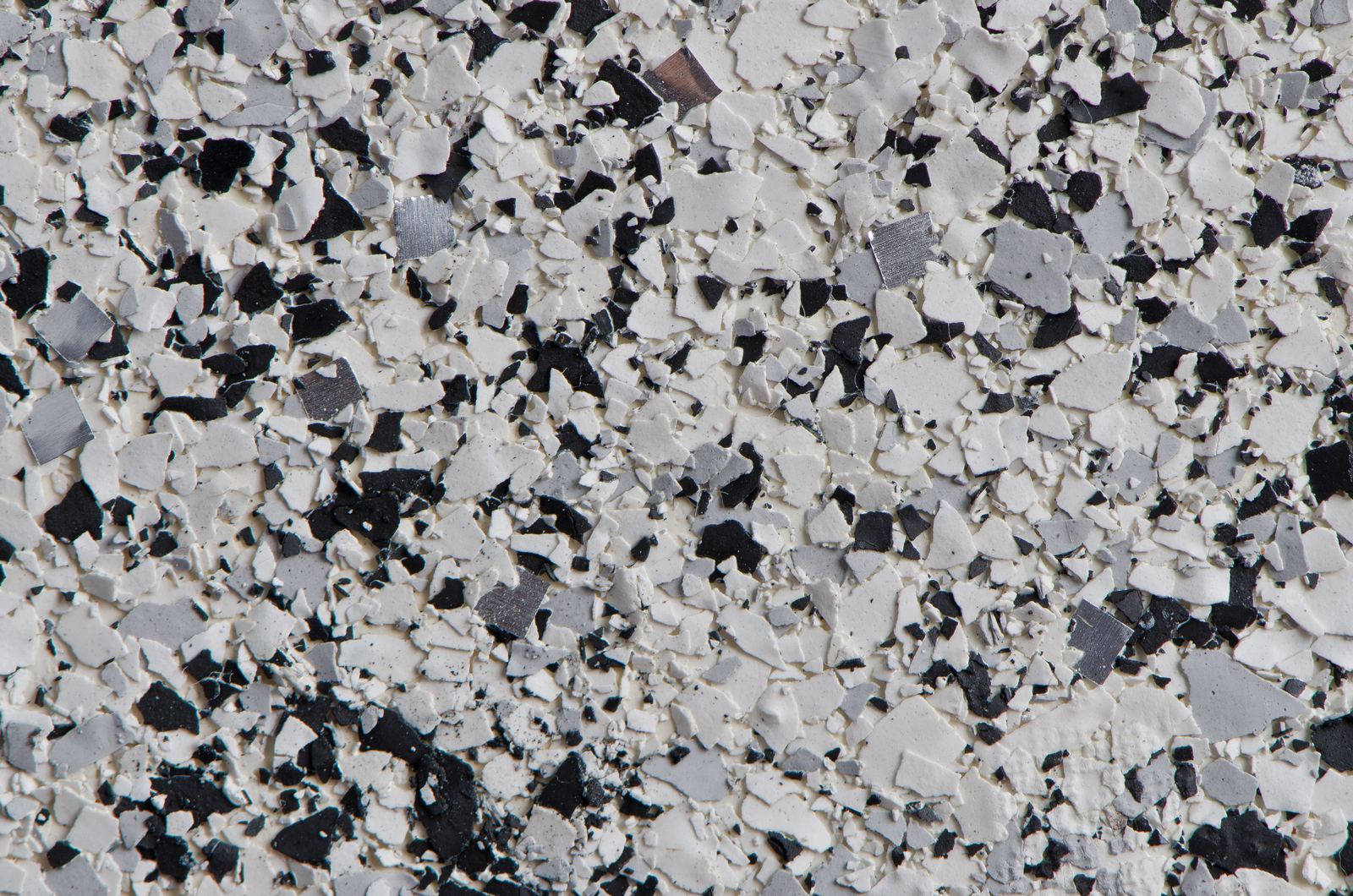
While the basecoat is wet, we broadcast vinyl flake across the floor until it is completely covered — a "full broadcast" rather than a light sprinkle. Once the base sets, we scrape off loose chips and vacuum the surface. The flake adds color, texture and an extra layer of thickness that hides tire marks, dust and minor stains.
5. UV-stable polyaspartic topcoat
The final clear coat is what you actually touch every day. We use a polyaspartic topcoat because it will not amber in Arizona sun, resists hot-tire pickup, and holds up to gasoline, brake fluid, antifreeze and pool chemicals. We can tune its texture for more or less grip depending on how you use the space.
Why garage coatings fail in Arizona — and how we prevent it
We regularly get calls from homeowners whose garage floor started peeling within a couple of years. Nearly every one of those failures traces back to one of four causes, and our process is designed around each of them.
- Hot-tire pickup. Tires can come off the freeway well over 150°F. On thin coatings that heat softens the film and the tire literally pulls it off the slab. Thick, ground-bonded systems with polyaspartic topcoats resist this.
- UV yellowing. Standard epoxy ambers in sunlight. West-facing garages with doors open in the afternoon see this quickly. UV-stable topcoats prevent it.
- Poor preparation. Coating over sealer, dust or a smooth slab means the bond is only as strong as whatever is underneath. Grinding solves this.
- Moisture vapor. Water vapor rising through the slab can create bubbles and blisters. We test before we install and adjust the system if needed.
Choosing colors, textures and finishes
Most of our garage clients choose a flake system, and color is where you get to personalize the space. Lighter gray blends keep a garage bright and hide dust; darker blends look dramatic and hide oil. Warmer blends with tan, cream and copper tones pair beautifully with the stucco and stone finishes common in East Valley homes. We bring physical sample boards to your estimate so you can see the colors in your own lighting rather than on a screen.
Prefer something different? We also install solid-color garage floors with a light flake accent, quartz broadcast systems for maximum texture, and metallic epoxy for collectors who want a high-gloss, show-car look. If your garage doubles as a gym, we can add extra texture and recommend rubber mats in the lifting area.
What to expect on install day
Before we arrive, we ask you to clear the garage floor of vehicles, storage and anything you do not want dusty. Wall-mounted shelving and cabinets can usually stay where they are. On day one we tape and mask baseboards and doors, grind, repair and vacuum the entire slab, then apply the basecoat and flake. Depending on the system and temperature, the topcoat goes on later the same day or the next morning.
You can walk on the floor within a few hours of the topcoat. We typically recommend waiting about 24 hours before parking and a few days before rolling heavy toolboxes or equipment back in. We will give you exact timing for your system and the current weather at the final walkthrough.
Summer installs are routine for us. High slab temperatures shorten working time, so we schedule early-morning application windows and adjust our materials to keep the finish consistent even in July.
How much does a garage floor coating cost in Mesa?
Every garage is different, so we quote each one individually after seeing it. The biggest factors are total square footage, the condition of the concrete, the amount of crack and spall repair, whether an existing coating or paint must be removed, and the system you choose. A standard flake system, a one-day polyaspartic system and a metallic floor each carry different material and labor costs.
Your written estimate breaks out preparation, repairs, materials and topcoat so you can compare it fairly with any other quote. If another contractor is dramatically cheaper, ask how they will prepare the slab and what topcoat they are using — the answers usually explain the difference.
Finishing touches that complete the space
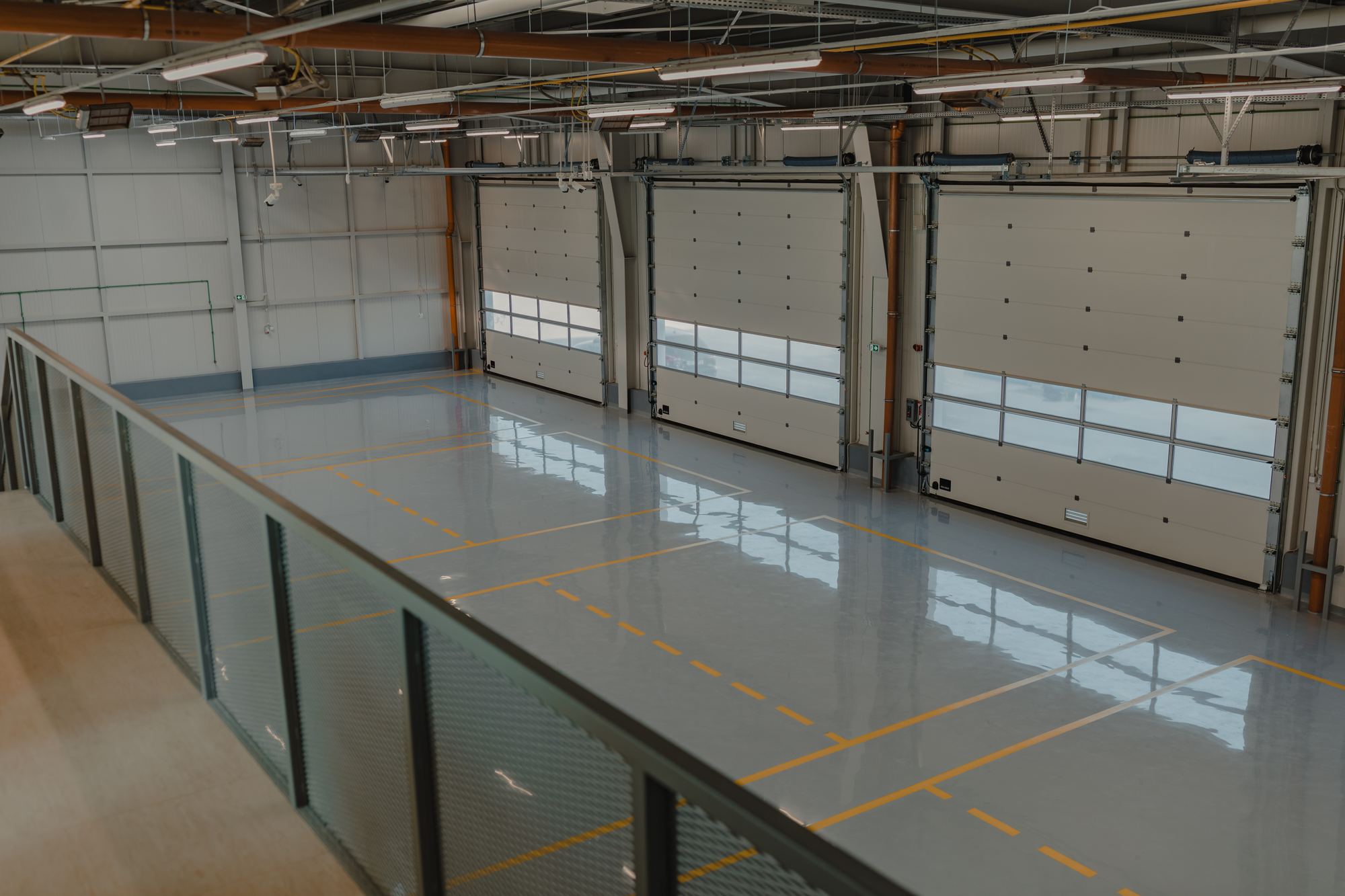
A coated floor often inspires the rest of the garage makeover. We can carry the coating a few inches up the wall as an integral cove base, which keeps water and dirt from collecting where the floor meets the drywall and makes the room look custom-built. We also coat garage steps and landings, add contrasting borders or parking stripes, and coordinate with cabinet and storage installers so the floor goes down first and everything else lands on a finished surface. If you are planning slatwall, overhead racks or a new garage door, let us know at the estimate and we will help you sequence the work.
Garage coatings across the East Valley
We coat garages in every part of Mesa, from the established neighborhoods around Dobson Ranch and downtown to newer construction in Eastmark, Red Mountain Ranch and Las Sendas. We also serve Gilbert, Chandler, Queen Creek, San Tan Valley, Apache Junction and Gold Canyon. Newer homes often have smooth, power-troweled slabs and builder sealers that must be ground off; older homes may have years of oil staining and settlement cracks. Either way, the right preparation makes the difference.